
In a guest post written for Autism Acceptance Month, freelance writer Rosie Buckley shares her experience of neurodivergence and older adults. She talks about diagnosis, the hidden cost of masking and some of the strengths and challenges.
Autism acceptance month is a time to celebrate neurodivergent people and challenge outdated thinking, which can help us change attitudes towards autism for the better. Inclusion only means something when it extends to everyone, including older neurodivergent adults.
Conversations about neurodiversity often focus on children and early classroom-setting diagnoses. While no diagnosis should be put to the side, it’s important to understand that neurodivergence doesn’t fade when someone ages. So this April, we want to broaden the conversation and highlight a generation whose experiences have too often been overlooked.
An Older Generation
Today’s older adults, those ages 65 and over, came of age at a time when autism, ADHD, and other neurodevelopmental conditions were barely understood. Diagnoses were rare and awareness then was minimal. Instead, many neurodivergent older adults were given other labels entirely. They were called “shy, difficult or overly sensitive”. Many people often viewed those as lazy or disorganised without anyone ever asking why!
An estimated 89–97% of neurodivergent older adults still remain undiagnosed! That’s a huge number of people who have spent their whole lives experiencing the world differently, without ever fully understanding why or receiving any support.
The Hidden Cost of Masking
For a lot of older adults, not getting a diagnosis meant learning to mask their traits. Always changing how they act or hiding their instincts to fit in at work and in social situations. It may seem like they’re handling things well on the outside, but it’s often very tiring on the inside.
People can lose their sense of self-worth and confidence after years of masking who they really are. A lot of people say they always feel different and don’t know why. They have to work twice as hard as everyone else just to get through the day.
This is the quieter, less well-known side of neurodivergence that doesn’t get a lot of press. But it means a lot.
The Power and Pain of a Later-Life Diagnosis
For some older adults, receiving a diagnosis in their sixties, seventies or beyond is a life-changing moment. Many neurodivergent older adults describe that same bittersweet mix of emotions. Finding community and companionship support can be a meaningful first step after a later-life diagnosis.
It’s also worth noting that many neurodevelopmental conditions run in families. Often, it’s a grandchild’s or a child’s diagnosis that prompts an older adult to look back on their own life and think, “That sounds like me.”
A diagnosis is only the beginning. What follows matters just as much as the diagnosis itself.
Strengths, Challenges and the Whole Person
Neurodivergence at any age brings both strengths and challenges, and it’s important to hold space for both.
Many neurodivergent people bring remarkable qualities to their lives and communities. Qualities like creative thinking, strong long-term memory and an eye for detail. These are genuine strengths, and they deserve to be recognised.
At the same time, later life can introduce new pressures. Retirement, bereavement and changes can all be really hard for those who rely on structure and familiarity. Communication differences can be misread as rudeness or confusion. And without awareness, the people around them may not understand what kind of support would actually help.
It’s Never Too Late
For a lot of neurodivergent older adults, discovery in later life isn’t the end; it’s the start. Finding out that you have autism when you’re 60, 70, or older can open doors that were never open before. It can help you connect with groups of people who really get what it’s like to live your life the way you do.
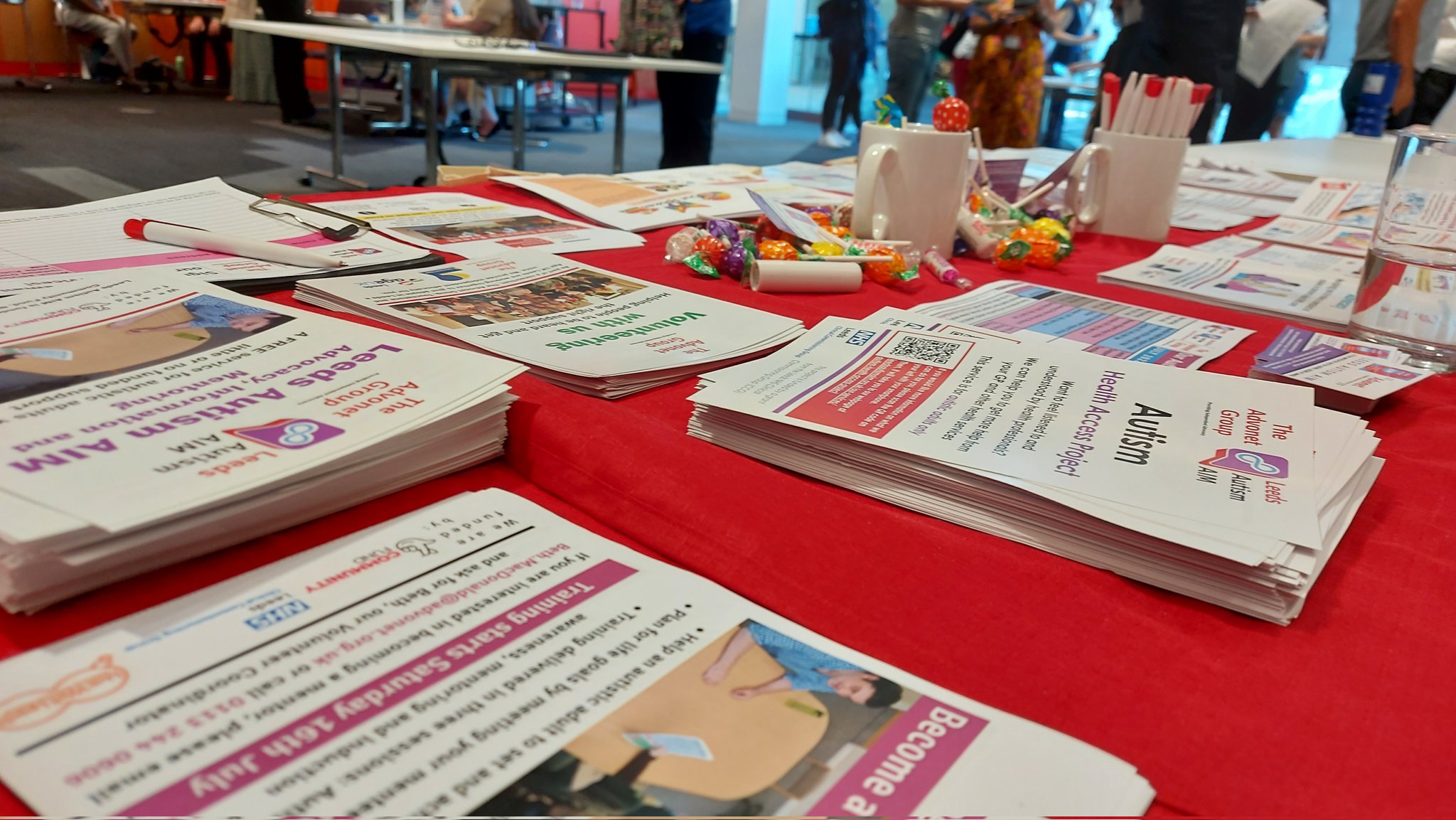
It has never been easier for neurodivergent people to find their community and know they are not alone, thanks to local support groups and organisations like Leeds Autism AIM. At any age, representation is important. Seeing other people who have been through the same things you have and come out the other side can be very powerful.